“Turkey Teeth”: Why Some Veneers Instantly Look Fake
At this point, almost everyone online has heard the phrase “Turkey Teeth.” It’s all over TikTok, Instagram, YouTube, podcasts, memes, celebrity gossip, and reaction videos. The term has basically become internet shorthand for ultra-white, overly perfect, obviously fake-looking veneers.
But here’s the thing:
the problem was never Turkey. The problem is trend-driven cosmetic dentistry.
Because somewhere along the way, social media convinced people that:
- the whiter the teeth, the better,
- the bigger the transformation, the more luxurious,
- and the more dramatic the veneers look, the more “perfect” the smile must be.
And honestly?
That mindset is exactly why so many smiles started looking artificial.
First of all: veneers and crowns are NOT the same thing
A lot of people online use the word “veneers” to describe every cosmetic smile transformation, even when that’s not actually what was done.
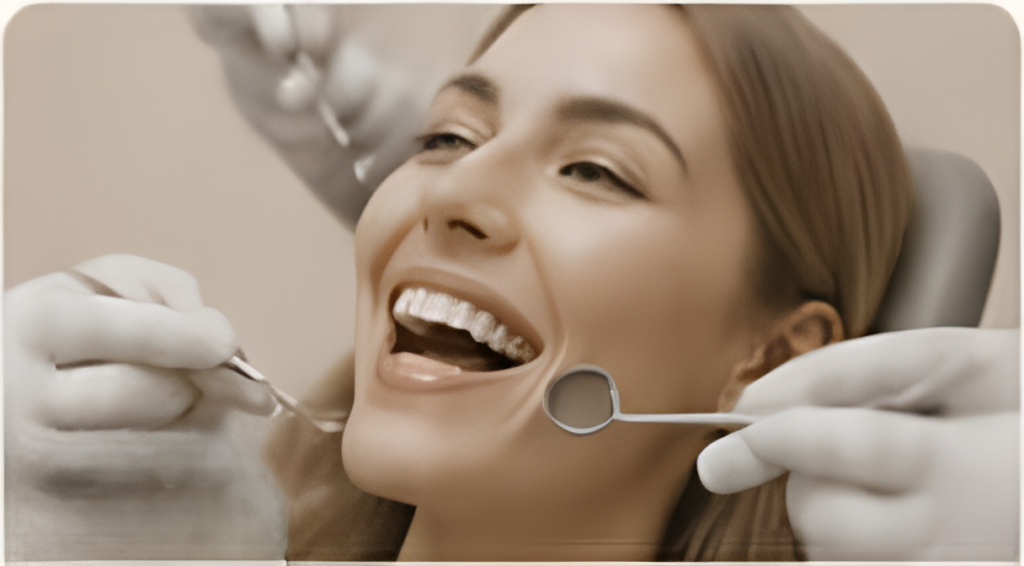
Many extreme smile makeovers involve full crowns, which usually require significantly more reduction of the natural tooth structure compared to conservative veneers or bonding.
And this is important because:
not every patient actually needs aggressive treatment.
A healthy tooth should not automatically be heavily prepared simply because dramatic cosmetic trends became popular online.
Modern cosmetic dentistry is supposed to become more conservative over time — not more destructive.
Why do some veneers instantly look fake?
Most people can recognize “fake veneers” immediately, even if they don’t fully understand why.
Usually, it’s a combination of things:
- overly white opaque shades,
- bulky teeth,
- same-size veneers,
- flat anatomy,
- unnatural proportions,
- or smiles that simply don’t fit the person’s face.
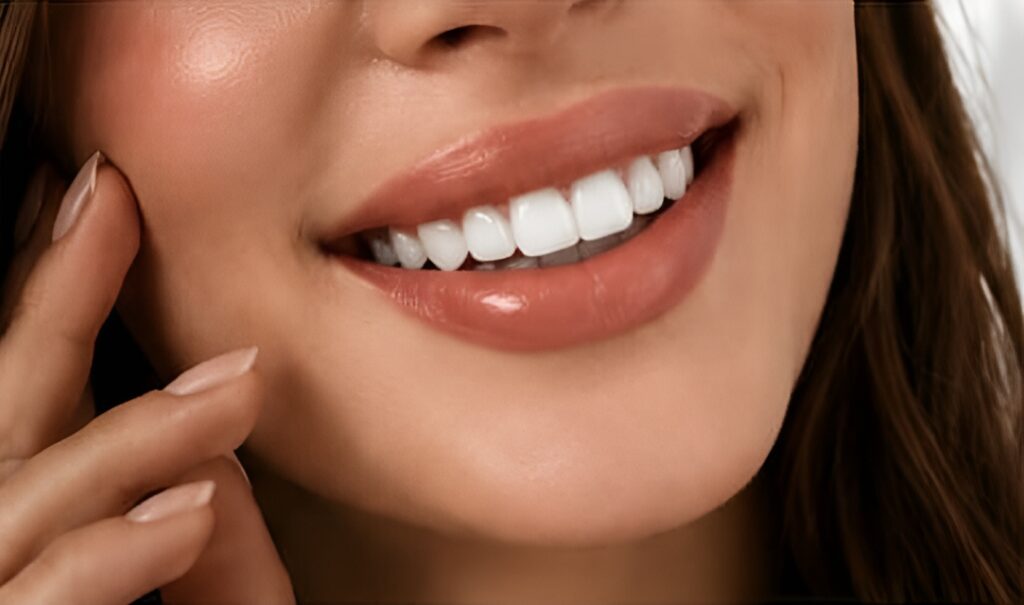
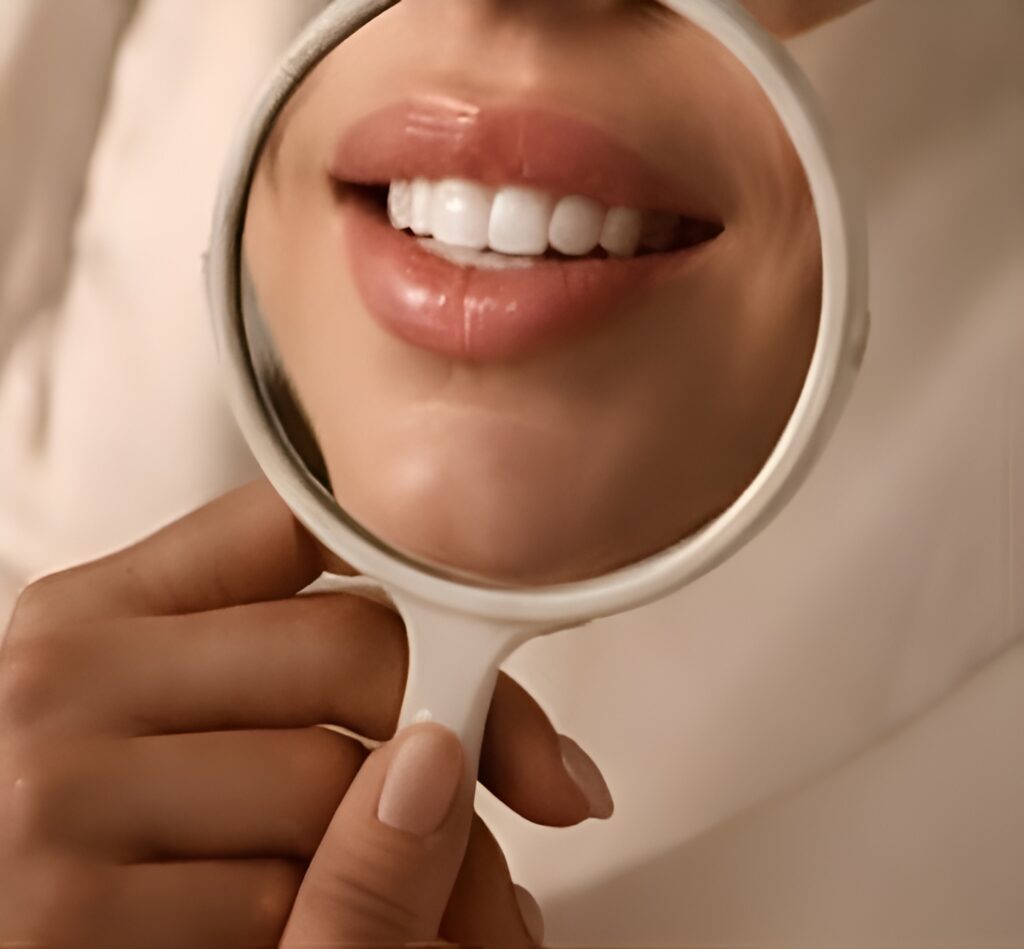
Real teeth are not identical little white rectangles.
Natural smiles have:
- depth,
- texture,
- slight asymmetry,
- translucency,
- and variation in shape and light reflection.
That’s what makes them feel alive.When every tooth becomes perfectly uniform and ultra-bright, the smile can start looking more like a cosmetic filter than actual teeth.
Social media completely changed smile expectations
And honestly?
This is probably the biggest reason this trend exploded.
Filters, editing apps, celebrity culture, and viral smile transformations created a version of beauty that often prioritizes shock value over harmony.
People started bringing screenshots of influencers into consultations asking for:
- the exact same smile,
- the exact same whiteness,
- the exact same shape,
- regardless of whether it actually suited their face.
But cosmetic dentistry should never be copy-paste. The most beautiful smiles are the ones designed specifically for the individual earing them.
A smile should complement:
- facial structure,
- lip shape,
- personality,
- facial movement,
- skin tone,
- and natural proportions.
Not fight against them.
Bigger treatment is not always better treatment
This is something many people unfortunately realize too late.
Aggressive cosmetic dentistry can sometimes lead to:
- repeated replacement cycles,
- weakening of natural tooth structure,
- gum irritation,
- bite problems,
- sensitivity,
- or long-term maintenance issues over time.
And while dramatic transformations may look exciting online for 15 seconds, real dentistry has to function for years.
Not just on social media.
Natural cosmetic dentistry is quietly becoming the new luxury
Interestingly, many high-end aesthetic dentists are actually moving away from extreme veneer trends completely.
The focus is shifting toward:
- natural anatomy,
- facial harmony,
- minimally invasive treatment,
- softer shades,
- realistic translucency,
- and preserving individuality.
Because true luxury in cosmetic dentistry no longer looks obviously “done.”
It looks effortless. The best veneers are usually the ones nobody notices. The smiles that simply make someone look healthier, fresher, more confident, and naturally
balanced without screaming for attention.
And honestly?
That kind of beauty will always outlive trends.