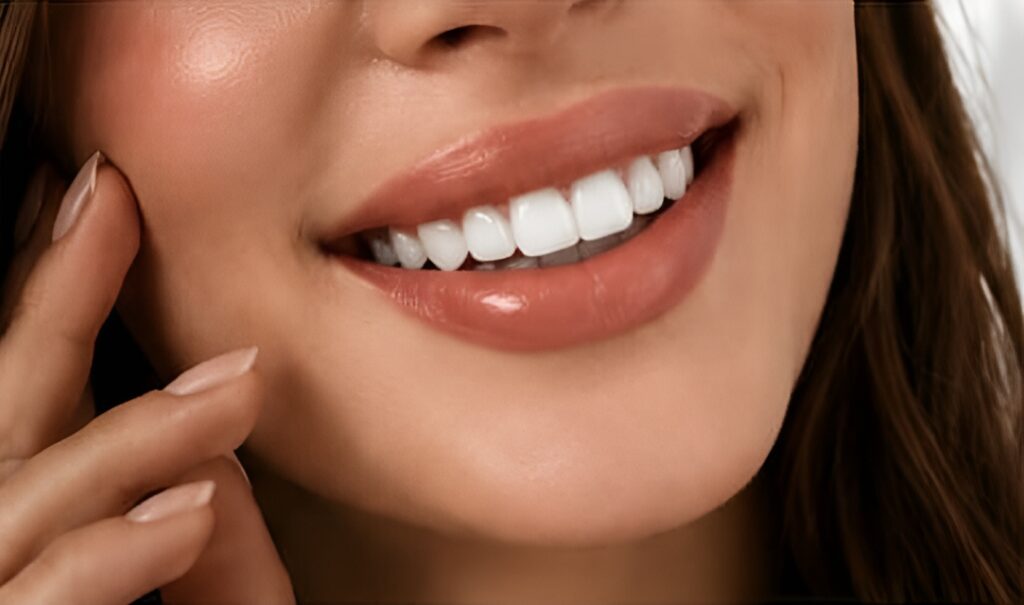
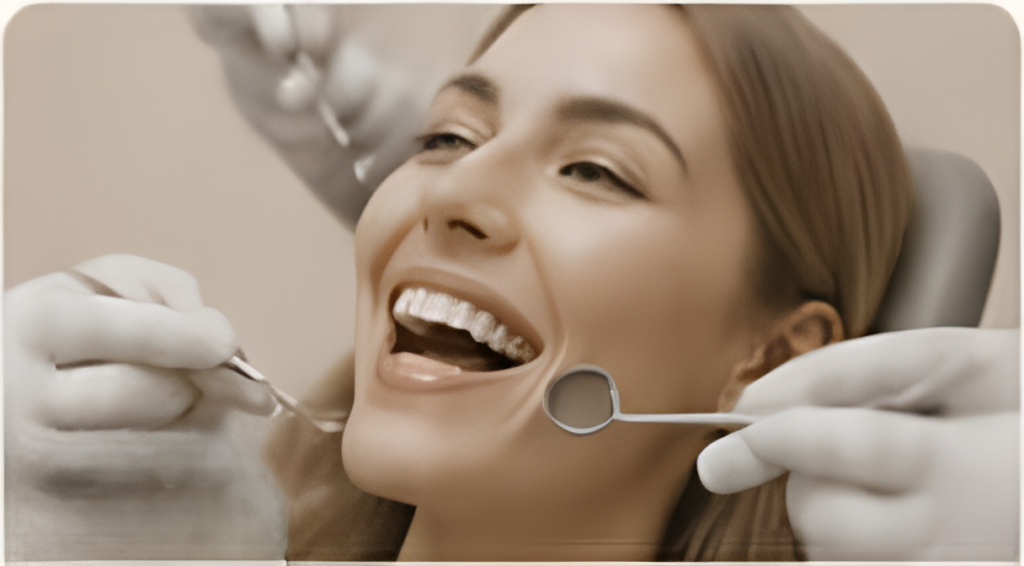
When people hear the words full mouth rehabilitation, many immediately think of aesthetics — a smile makeover, whiter teeth, or a cosmetic transformation.
But true full mouth rehabilitation goes far beyond appearance alone.At its core, full mouth rehabilitation is about restoring balance, function, comfort, and quality of life.
For many patients, the journey toward rehabilitation begins long before they ever enter a clinic. Years of worn teeth, missing teeth, bite collapse, chronic discomfort, failed dental work, or difficulty chewing can slowly affect not only oral health, but also confidence, facial support, speech, and emotional wellbeing. Some patients gradually stop smiling in photographs. Others begin avoiding
Certain foods, covering their mouths while speaking, or adapting silently to discomfort they have lived with for years.
And often, these changes happen so gradually that patients do not realize how deeply they have impacted daily life until treatment begins.
This is why full mouth rehabilitation should never be approached as a “one-size-fits-all” cosmetic procedure.
Every rehabilitation case is unique and requires careful, individualized planning. A successful treatment plan considers far more than teeth alone. Facial proportions, bite dynamics, jaw support, muscle balance, speech, age, lifestyle, long-term function, and aesthetic harmony all play a role in designing a result that feels both beautiful and biologically stable.
Modern rehabilitation dentistry is deeply multidisciplinary by nature. It often combines restorative dentistry, implant dentistry, smile design, occlusal analysis, digital planning, and advanced aesthetic rehabilitation into one carefully coordinated treatment journey.
And precision matters enormously.Through digital workflows, advanced diagnostics, photography, smile planning, and detailed case analysis, rehabilitation can now be approached with significantly greater accuracy, predictability, and personalization than ever before. Every stage must work together harmoniously — not only to improve appearance, but to restore comfort, stability, and long-term oral function.
For international patients and complex restorative cases, thoughtful coordination becomes even more important. Treatment efficiency, staged rehabilitation planning, digital communication, and long-term predictability all play a major role in creating a smooth and carefully organized experience without compromising clinical precision.
But perhaps the most remarkable part of full mouth rehabilitation is the emotional transformation that often follows.
Patients frequently regain things they did not realize they had slowly lost over time:
- the ability to smile comfortably,
- to eat normally,
- to speak confidently,
- to laugh without hesitation,
- or simply to feel at ease again in their own appearance.
Because in many cases, rehabilitation is not only about rebuilding teeth. It is about rebuilding comfort, confidence, and normalcy.
And the most successful rehabilitations are rarely the ones that look artificial or exaggerated. They are the ones that restore harmony naturally — where aesthetics, function, facial balance, and individuality come together seamlessly.
The goal is not perfection.The goal is restoration, balance, and creating a smile that feels healthy, timeless, and genuinely connected to the person behind it.