Why Do Some Veneers Instantly Look Fake — Even When They’re Expensive?
We’ve all seen it.
The ultra-white veneers.
The perfectly flat smile.
The teeth that somehow look too big, too bright, too symmetrical, and completely disconnected from the person’s face.
And the craziest part?
Some of these veneers are extremely expensive.
Because here’s the truth nobody talks about enough:
expensive does not automatically mean natural.
The best cosmetic dentistry is not the dentistry people immediately notice. It’s the dentistry that quietly makes someone look healthier, fresher, more confident, and somehow more them without anyone being able to pinpoint exactly why.
That’s where the difference between natural veneers and overdone veneers really begins.
The “too white” problem
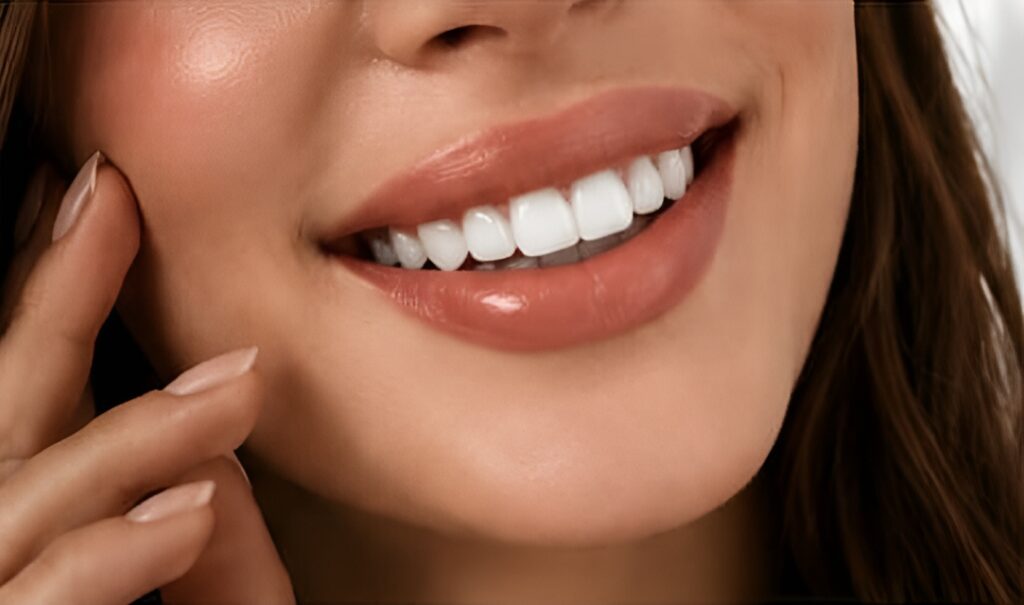
One of the biggest mistakes in cosmetic dentistry right now is choosing shades that are unnaturally bright and opaque.
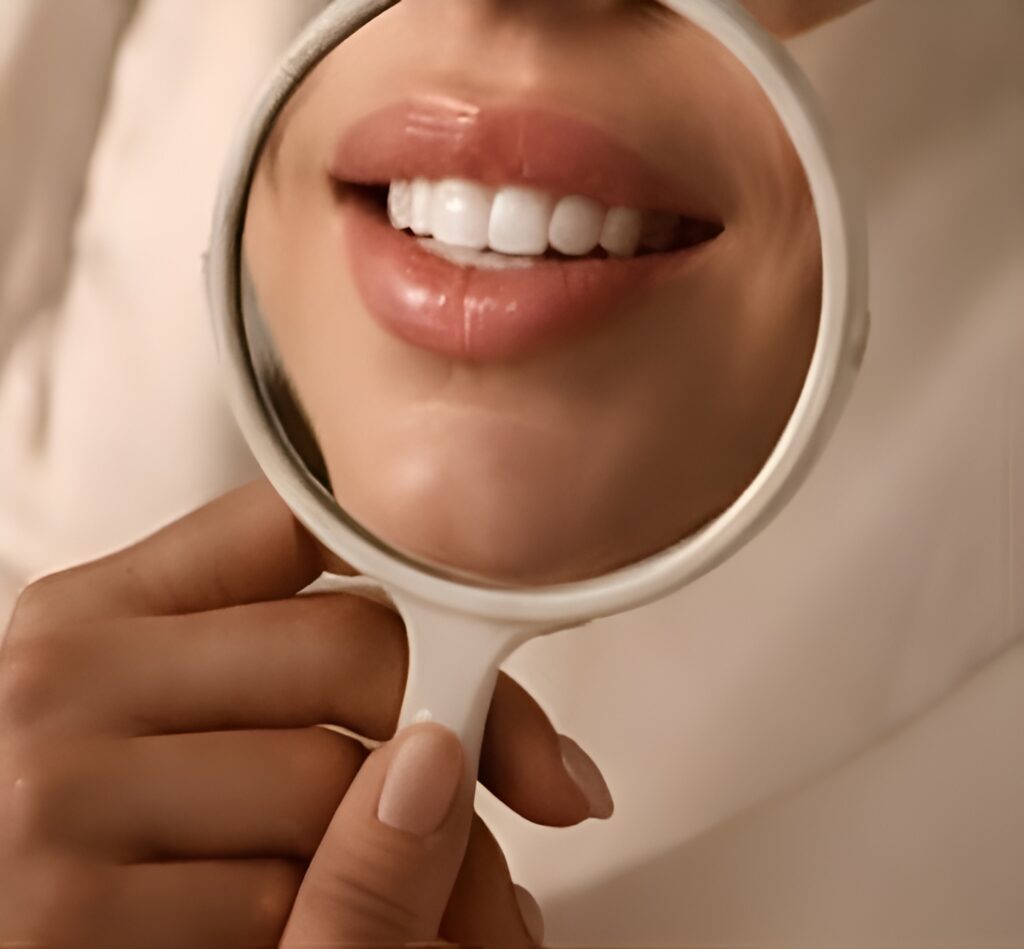
Real teeth are not paper white.
Natural teeth have:
- depth,
- softness,
- slight translucency,
- texture,
- and variation in the way they reflect light.
When veneers become overly white and flat in color, they stop looking like teeth and start looking like a filter pasted onto the face.
Ironically, ultra-white veneers can sometimes make the entire face look harsher, older, or less refined instead of more attractive.
Brighter is not always better.
When every tooth looks exactly the same
Another major reason veneers instantly look fake is over-uniformity.
Some smile designs completely flatten individuality:
- same length teeth,
- same width,
- same shape,
- same brightness,
- same straight line.
Even the canines lose their natural anatomy and character.
The result?
The smile starts looking artificial because real smiles are not perfectly cloned.
Natural smiles have rhythm. Variation. Movement. Subtle asymmetry. The central teeth naturally dominate slightly, the canines create contour and personality, and the smile line flows with the face rather than fighting against it.
When all of that disappears, the smile can start looking strangely “mask-like.”
The “Hollywood smile” trend
The internet has made many people believe there’s one ideal smile everyone should have.
There isn’t.
Not every face suits the same smile design.
A smile that looks beautiful on one person may look completely unnatural on someone else depending on:
- facial proportions,
- lip shape,
- smile width,
- skin tone,
- facial movement,
- personality,
- and even age.
Copy-paste cosmetic dentistry almost always looks obvious because it ignores individuality.
The best smile design is never about copying someone else’s teeth.
It’s about designing a smile that feels naturally connected to you.
Veneers can also look fake because they’re too bulky
This is something many people notice subconsciously without understanding why.
Over-contoured veneers can:
- make lips look strained,
- create unnatural fullness,
- affect speech,
- or make the smile appear heavy and “stuck on.”
Beautiful veneers should feel integrated with the face — not placed on top of it.
The other extreme: trying TOO hard to look natural
Interestingly, some veneers become overdone in the opposite direction.
Some smiles are designed with excessive translucency in an attempt to mimic natural enamel, but the result can sometimes appear grayish, dull, dehydrated, or smoker-like under certain lighting conditions.
Naturality is not about making teeth look lifeless.
True natural aesthetics are about balance:
brightness,
depth,
texture,
translucency,
and harmony all working together.
The real secret to natural veneers
The most beautiful veneers usually have one thing in common:
they still allow the person’s individuality to exist.
They don’t erase personality.
They don’t overpower the face.
They don’t scream for attention.
They simply elevate what is already there.
Because the goal of cosmetic dentistry should never be:
“Can everyone tell I got veneers?”
The real goal is:
“Why do you suddenly look so refreshed, balanced, and confident?”
And honestly?
That difference changes everything.